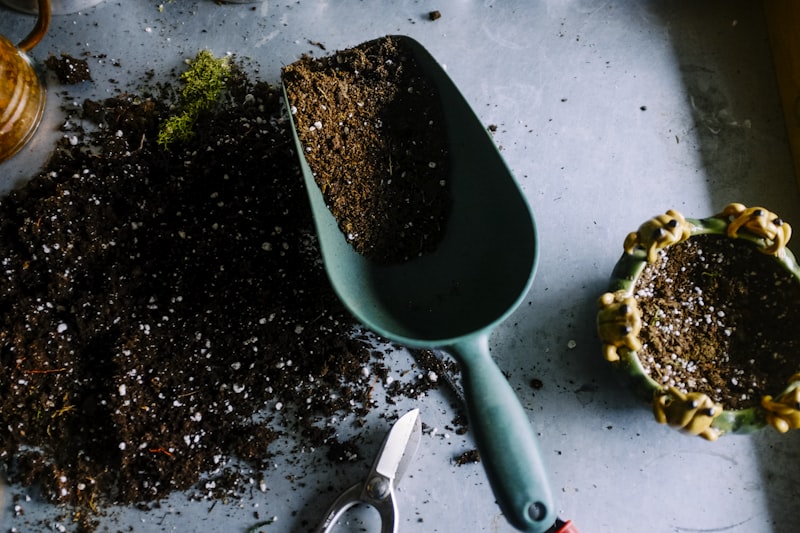
A closed terrarium is a self-watering world in a jar — the plants transpire, the water condenses, it rains, repeat. A glass vessel with a lid, a layering of pebbles, activated charcoal, and potting mix, a few humidity-loving plants (fittonia, fern, moss), and long tweezers to place them. Build it once, water it almost never, and watch it thrive.
Plans
Choose a plan that fits your needs and budget
Item List
4Plants & Tools
2 items
Vessel & Substrate
2 items
Plan Totals$84
Plants & Tools
2Vessel & Substrate
2Total$84
FAQ
Common questions about this kit
Closed or open terrarium?
Closed (sealed) for tropical plants that love humidity — ferns, fittonia, moss — it recycles its own water. Open for succulents and cacti that hate wet feet. Match the vessel to the plant; a closed jar of succulents rots fast.
Why the layering?
Pebbles (drainage), activated charcoal (keeps it fresh and filters the water), then soil. The layers create a mini water table and prevent root rot. Skip the charcoal and the jar smells swampy in a month.
How often do I water?
Almost never. A closed terrarium recycles its water — condensation on the glass is normal. Add a few tablespoons only if the glass stays dry for days. Too much water and it fogs permanently and the plants rot.
What if it fogs too much?
Open the lid for a few hours to vent the excess humidity, then close it. Persistent heavy fog means overwatering. The goal is a light mist cycling on the glass, not a downpour.
User Reviews
5.0 / 5.0
Sort:
Closed terrarium and my raised beds share the layer-the-drainage gospel — pebbles and charcoal before the soil, exactly like gravel under a bed. The self-watering recycled humidity is nature's irrigation, agreed.
Terrariums and my superhots share the grow-light-and-the-humidity gospel — a closed jar at humidity and a seedling at 85F are the same controlled-climate idea. Case before you plant, start before the frost, agreed.