Skateboarding is falling until you do not. A complete 8-inch board (deck, trucks, wheels, bearings — matched and assembled), a helmet, knee and elbow pads, and flat-soled skate shoes. Find a smooth empty parking lot, learn to push and turn, then the ollie. Protect your head and your wrists — the ground is harder than you think.
Plans
Choose a plan that fits your needs and budget
Item List
5The Board
2 items
Protection
2 itemsFootwear
1 items| Item | Category | Specs | Qty | Price | Link |
|---|---|---|---|---|---|
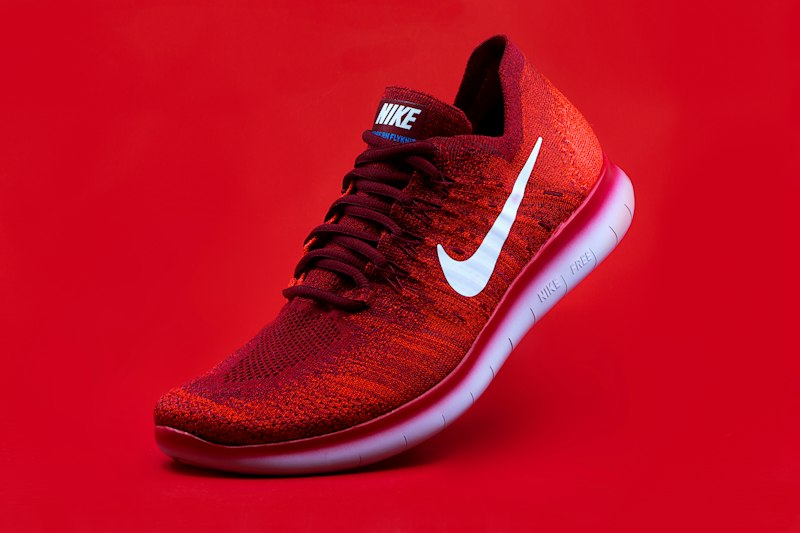
 | Hiking Shoes | SoleVulcanized UpperSuede | 1 | $70 | View Shop |
Plan Totals$261
FAQ
Common questions about this kit
What size board for a beginner?
An 8.0-inch deck is the all-around standard — stable enough to learn, narrow enough to flip later. Bigger riders go 8.25, kids smaller. A complete (pre-built) board is fine to start; you customize as you progress.
Do I really need pads?
Yes — helmet always, and wrist guards especially. Almost every beginner's first injury is a sprained wrist from catching a fall. Knee and elbow pads let you bail onto slides instead of skin. The pros who skip pads have earned it; you have not.
Why skate shoes?
Flat, grippy soles stick to the grip tape; reinforced uppers survive the abrasion of dragging the shoe on flips and braking. Running shoes roll your ankle and shred in a week. Vans, Nike SB, or similar skate shoes are part of the gear.
Regular or goofy stance?
Whichever foot you naturally put forward. A quick test: have someone shove you from behind — the foot you step forward to catch yourself is your front foot. Regular (left forward) is more common; goofy (right forward) is normal too.
User Reviews
4.0 / 5.0
Skateboarding and my street workout share the body-control-and-the-fall gospel — you bail a thousand times before you land it, and the pads are the strength foundation. Flat sole and a dial helmet, agreed.