Three tuned shoes, a gut trained for 80 grams of carbs an hour, and data you can trust. This is a Boston-qualifier build block: volume shoes, tempo shoes, and a race-day rocket, plus a hydration vest, high-carb fuel, a flagship watch, an accurate chest strap, and a massage gun so you actually recover. Stack it on 12 solid weeks and go chase the time.
Plans
Choose a plan that fits your needs and budget
Item List
12Run Wear
3 itemsThe Shoe Rotation
3 items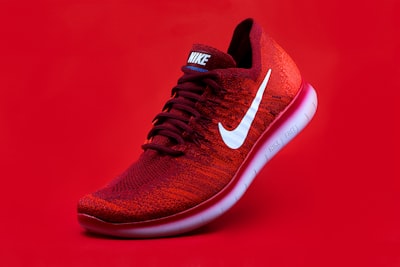
Fuel & Hydration
3 items| Item | Category | Specs | Qty | Price | Link |
|---|---|---|---|---|---|
 | Energy & Nutrition | Servings80 Sodium500 mg CarbsOptional | 1 | $35 | View Shop |
 | Energy & Nutrition | Carbs40 g per gel Count24 Dual-sourceYes | 1 | $70 | View Shop |
| Hydration | Capacity5 L Flasks2x 17 oz PocketsFront + back | 1 | $160 | View Shop |
Recovery & Data
3 items
Plan Totals$1,869
Run Wear
3The Shoe Rotation
3Fuel & Hydration
3Recovery & Data
3Total$1,869
FAQ
Common questions about this kit
Why three pairs of running shoes?
A BQ block needs volume and intensity: max-cushion for long and easy days, a tempo shoe for threshold work, and the racer for race day and tune-up races. Each is tuned for a job.
High-carb gels — 40g in one go?
Train your gut up over weeks. Two gels an hour (80 g) is the new elite standard, but only if you practice it — otherwise it is a GI disaster.
Chest strap if my watch has optical HR?
For threshold and VO2 work where a few bpm matter, yes. Optical drifts in the cold and at high cadence.
When do I race to qualify?
Pick a flat, fast, sea-level course 4 to 6 weeks before the registration deadline. Weather matters more than training — a cool, calm day is worth minutes.
User Reviews
4.5 / 5.0
Sort:
Good taper advice. Most beginners overtrain in the last two weeks.
Three pairs of shoes felt like a lot until I read why. A tempo shoe for threshold work makes sense.