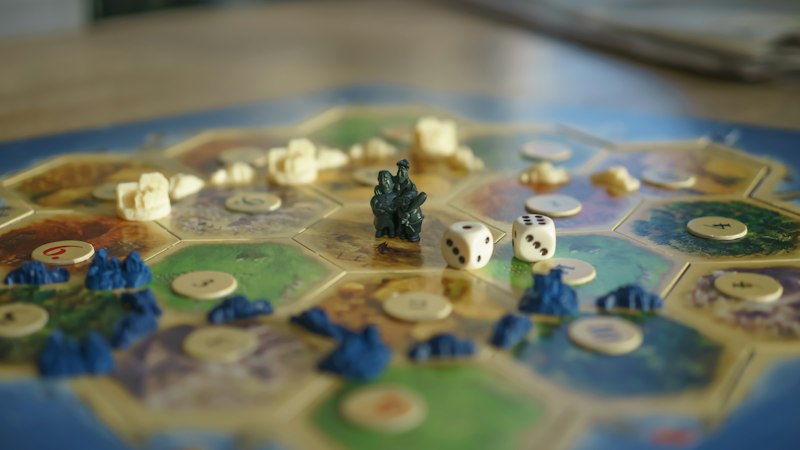
A diorama is world-building on a base — a 6-inch scene that tells a story. An extruded-foam base, a hot-wire foam cutter for the terrain, a tub of static grass and flocking, acrylic paints and washes, and a pack of scale figures. Build the terrain, paint it, flock it, place the figures, and the scene lives. The base is the stage; the details are the actors.
Plans
Choose a plan that fits your needs and budget
Item List
4Finish
2 items
Terrain
2 items
Plan Totals$118
FAQ
Common questions about this kit
Why extruded foam?
Pink or blue rigid foam board (extruded polystyrene) carves into terrain easily (a hot wire or a knife), is lightweight, and holds paint and glue — the diorama-maker's terrain medium. It layers (stack and carve for hills) and accepts the scenery materials. Avoid white beadboard (Styrofoam) — it crumbles and the beads show.
What is a hot-wire cutter?
A taut nichrome wire heated by current — it slices through foam like butter, leaving a clean, sealed edge with no crumbs (a knife tears and beads the foam). It is the tool for shaping foam terrain (hills, cliffs, ruins). Ventilate (the foam fumes are not great); it is the diorama terrain tool.
What are washes?
Thin, watery paint (a wash) that flows into the recesses of a textured surface, darkening the low spots and leaving the high spots — the instant depth and realism that flat paint lacks. A dark wash over a dry-brushed terrain reads as shadow and age. Washes (and dry-brushing) are the two weathering techniques that sell a diorama.
What scale figures?
Small painted figures (people, animals) matched to the diorama's scale (1/35 for military, 1/72 for historical, 28mm for tabletop) — they give the scene life and a sense of scale. A diorama without a figure is a landscape; with one, it is a moment. The figure is the focal point the eye finds.
User Reviews
5.0 / 5.0
The diorama and my bonsai share the world-in-miniature gospel — the extruded-foam-terrain is the soil-and-the-pot, and the scale-figure is the wire-and-the-branch. The detail is the point, agreed.